What Expectant Mothers Need to Know: It Is Possible to Reduce the Risk of Birth Defects
Pregnancy is one of the most special and, at the same time, most sensitive periods in a woman’s life. During this process, the greatest desire of expectant mothers is to offer their babies a healthy start. However, every year millions of babies are born with certain structural or developmental problems called “birth defects.”
According to UNICEF data, many babies worldwide are born with this risk. Although not all birth defects can be prevented, it has now been scientifically proven that the risk can be significantly reduced with the right precautions. So, what can expectant mothers do during this process?
What Are Birth Defects?
Birth defects are structural changes that affect organs such as the heart, brain, and spine. They mostly develop during the first trimester of pregnancy and can affect the baby’s general health, and even their quality of life, for a lifetime. Understanding which organs are at risk during which weeks is critical for taking precautions.
The most common birth defects include:
- Congenital heart diseases
- Cleft lip and palate
- Spina bifida (open spine)
How to Reduce the Risk of Birth Defects?
1. Adopt a Healthy Lifestyle
The foundation of a healthy pregnancy is often laid not only during the pregnancy process but even before pregnancy. Studies show that the risk of pregnancy complications and certain birth defects increases in expectant mothers with a Body Mass Index (BMI) over 30.
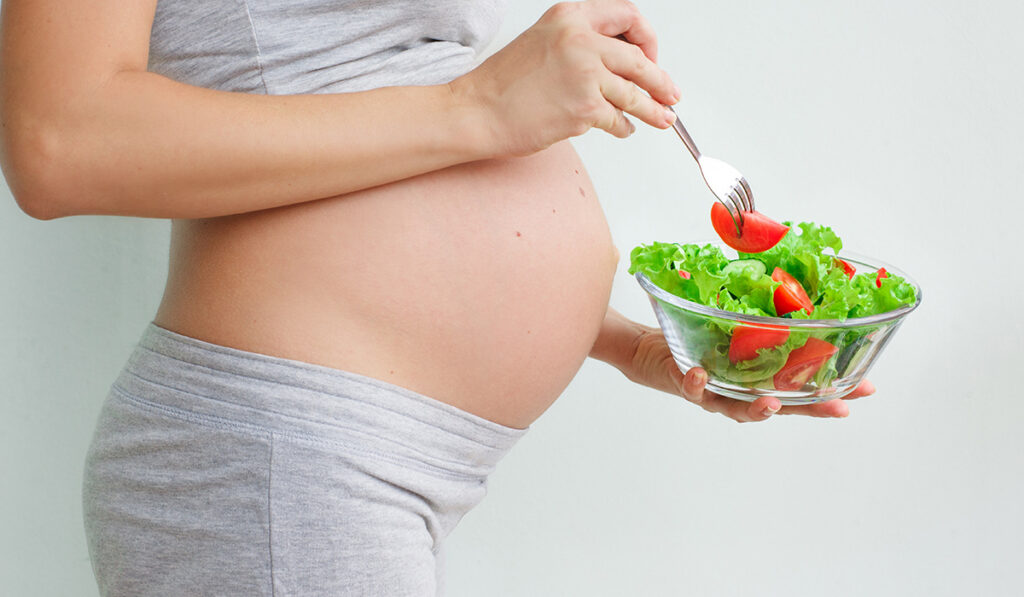
Regular physical activity, a balanced diet, and maintaining a healthy weight range play an important role in reducing these risks. Expectant mothers are recommended the following during this period:
- Exercise regularly by consulting your doctor.
- Get a personalized pregnancy nutrition plan from a nutritionist.
- Take short and regular daily walks.
- Balance both body and mind with prenatal yoga.
- Take care to maintain a healthy weight range.
2. Keep Diabetes and High Blood Pressure Under Control
Expectant mothers with gestational diabetes or hypertension need to be more careful. Uncontrolled blood sugar and blood pressure can cause serious health problems in the baby.
Regular monitoring of blood sugar and blood pressure values, an appropriate nutrition plan, and regular physical activity play a critical role in preventing birth defects and other pregnancy complications.
3. Do Not Consume Alcohol and Cigarettes
The use of alcohol and cigarettes during pregnancy is strictly not recommended. Alcohol passes from the mother’s bloodstream through the placenta and directly to the baby. The baby’s liver is one of the last organs to develop in the womb and therefore cannot tolerate alcohol.
Especially alcohol use in the first trimester significantly increases the risk of:
- Miscarriage,
- Preterm birth,
- Birth defects
This risk continues in the following months as well.
4. Do Not Neglect Folic Acid
Folic acid is a vital B vitamin for cell division and healthy growth. Especially in the early stages of pregnancy, it plays a critical role in the development of the baby’s nervous system. Adequate folic acid intake supports the healthy formation of the neural tube, reduces the risk of spina bifida, and contributes to the protection of the baby’s brain and spine development.
The World Health Organization (WHO) recommends that pregnant women take 400 micrograms (mcg) of folic acid daily. In addition, including foods rich in folate in the daily diet offers a natural and balanced approach that supports supplementation.
5. Do Not Self-Medicate
Research shows that about one-third of pregnant women use medications or herbal products without consulting their doctor. However, unconscious drug use:
- Can adversely affect fetal health,
- Can lead to structural or functional disorders,
- Can cause developmental delays.
Therefore, the most basic way to stay safe during the pregnancy process is to use every medication by absolutely consulting a doctor and to be aware of all medications and supplements taken.
Conclusion: Healthy Starts Are Possible with Conscious Choices
Every baby has the right to a healthy start in life. Accessing the right information, regularly monitoring the pregnancy, and handling the process with a proactive approach make a significant difference in reducing the risk of birth defects.
Pregnancy does not consist of routine check-ups alone; when approached with a preventive, holistic, and personalized perspective, it transforms into a safer journey for both mother and baby. Remember, a healthy pregnancy is the first step to a healthy life.
You can get detailed information from our clinic to manage your pregnancy with awareness and minimize risks.