How is PCOS Managed? How is it Personalized? How is it Monitored?
1 Personalized Treatment, Root Causes, and Clinical Decision Approach
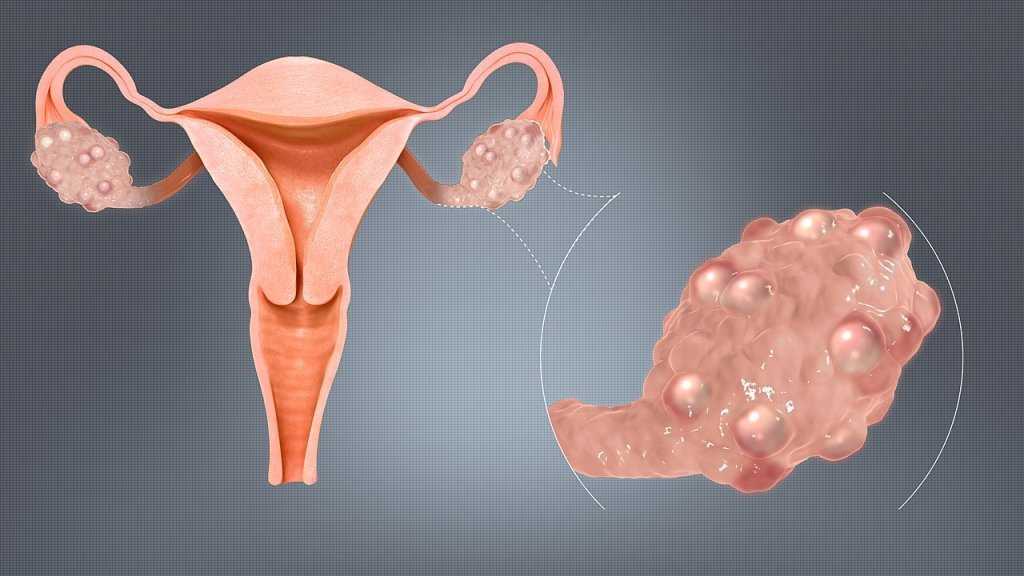
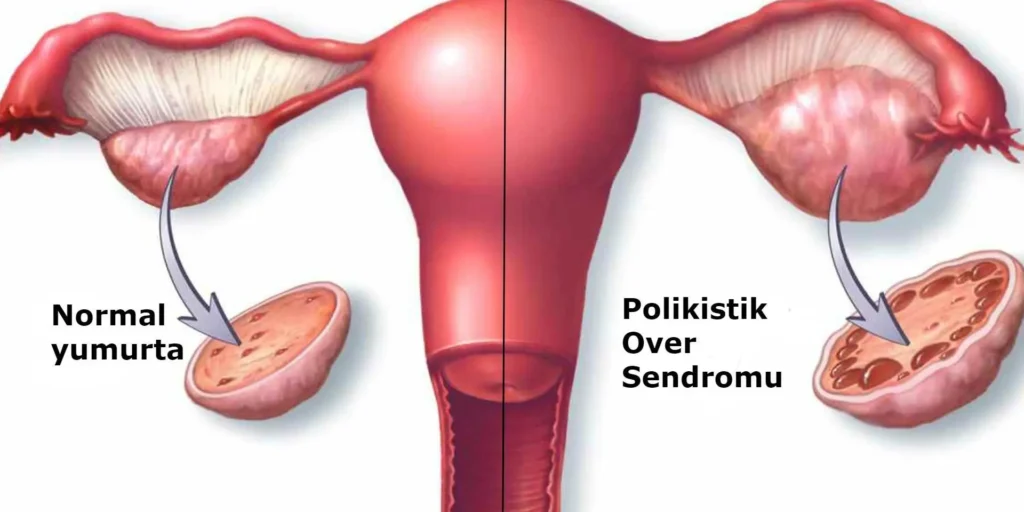
It is stated that in Polycystic Ovary Syndrome (PCOS) management, the real difference is made by how the process is handled. It is emphasized that since PCOS is not a uniform disease, it cannot be managed with a one-size-fits-all treatment. This article is expressed to be prepared to explain why PCOS should be handled individually and the root-cause-oriented, systems biology-based decision framework.
2 Why is There No “Standard” PCOS Treatment?
It is noted that while PCOS is often managed under similar headings in clinical practice, the question of why the same treatment is not effective for every woman must be addressed. The primary reason is stated to be that PCOS does not rely on a single biological foundation. It is highlighted that while insulin resistance drives the condition in one woman, stress biology or chronic inflammation may be more dominant in another.
3 The Strengths and Limitations of Classical Approaches
The hormonal regulators and insulin sensitizers of classical medicine are accepted as valuable for the right individual. However, it is stated that these approaches do not always answer why problems recur or how long-term metabolic risks will be managed. At this point, it is expressed that PCOS must be handled within a cause-effect relationship rather than just at the symptom level.
4 What Does a Root-Cause-Oriented Approach Mean?
In the root-cause-oriented approach, the body is stated to be treated as a whole of interacting systems. It is emphasized that the weight of mechanisms such as insulin resistance, disruptions in the brain-ovarian axis, gut microbiota imbalances, and mitochondrial functions varies for every woman.
5 Systems Biology: Reading PCOS as a Whole
Systems biology is expressed to explain why PCOS is not limited to the ovaries. It is stated that insulin resistance increases androgen production, while inflammation disrupts the insulin response. Within this interaction network, PCOS is accepted as a loss of harmony between systems.
6 The Importance of Phenotype and Life Stage in Treatment
It is emphasized that to create an effective strategy, both the dominant PCOS phenotype and the individual’s life stage must be identified. It is stated that goals change from adolescence to menopause, and therefore, treatment should be adaptable over time rather than static.
7 The GLP-1 Axis and Metabolic PCOS
The GLP-1 axis is noted to have drawn attention in recent years, particularly in cases with high metabolic burden. In appropriate patient groups, approaches targeting this system are stated to increase insulin sensitivity, reduce metabolic burden, and support weight control.
8 Clinical Decision Algorithm: Moving Step by Step
PCOS management is stated to proceed through a structured decision process. This process is expressed to be maintained through clarifying the diagnosis, determining the phenotype, analyzing biological mechanisms, and creating a personalized strategy followed by regular monitoring.
9 Future Perspective: Personalized Medicine in PCOS
In the future of PCOS management, the aim is stated to be early recognition of risks and making the woman an active subject of her own health rather than intervening after problems arise. The importance of the personalized medicine approach in this field is noted.
10 PCOS Can Be a Guide for the Future
It is expressed that when handled correctly, PCOS is a guide that allows for understanding the body’s balance and managing long-term health. It is stated that the real difference is created not by a single drug, but by a holistic process starting at the right time for the right person.