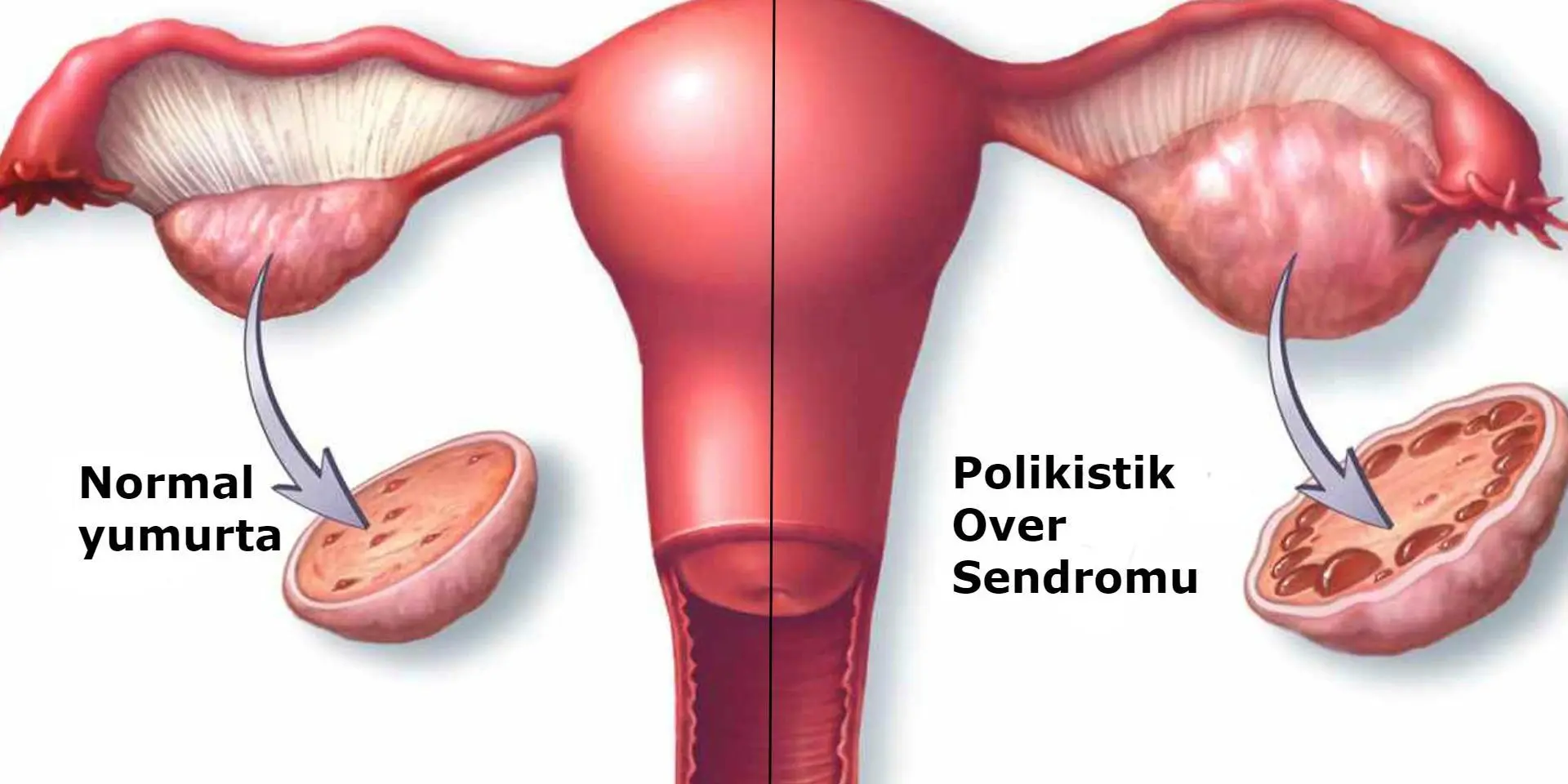
What is PCOS? Why Does it Occur?
1 A Holistic Overview of Polycystic Ovary Syndrome
Polycystic Ovary Syndrome (PCOS) is recognized as one of the most common hormonal and metabolic health issues faced by women of reproductive age today. Epidemiological data show that it affects approximately 1 in 10 women. Within current scientific frameworks, PCOS is defined not merely as an ovarian disease, but as a systemic condition involving metabolic balance, immune response, and the nervous system.
2 What is PCOS?
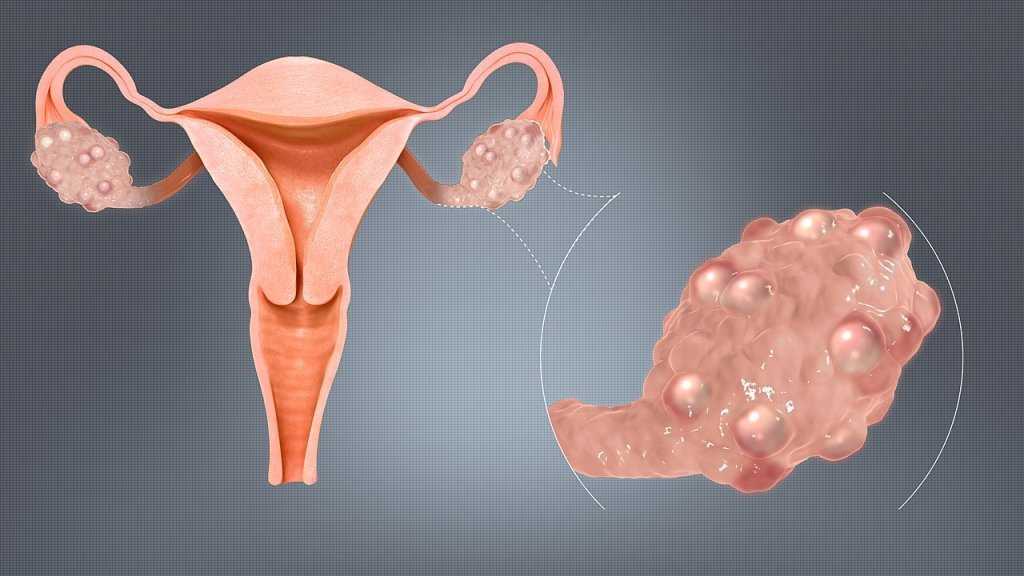
Classically, it is defined by ovulatory dysfunction, increased androgen hormones, and the presence of numerous small follicles in the ovaries. However, it is stated that the modern medical definition of PCOS extends beyond this framework. Today, PCOS is treated as a multidimensional biological state evaluated alongside brain-ovarian axis dysfunction, insulin metabolism alterations, and chronic low-grade inflammation.
3 How Common is PCOS and Why is it So Important?
It is expressed that PCOS is one of the most prevalent endocrine disorders among women, with a frequency ranging between 10-15%. The significance of PCOS is not limited to reproductive health; it is known to be associated with long-term increased risks for insulin resistance, type 2 diabetes, obesity, and cardiovascular diseases.
4 Why Does PCOS Occur? Is There a Single Cause?
It is emphasized that one of the most distinctive features of PCOS is that it does not stem from a single cause. Scientific data indicate that PCOS emerges from the interaction between genetic predisposition and environmental/metabolic factors. Multiple biological mechanisms are stated to play a role simultaneously.
4.1 Insulin Resistance and Metabolic Balance
Insulin resistance is highlighted as one of the most common and well-defined mechanisms in PCOS. It is known that elevated insulin levels increase androgen production in the ovaries and suppress regular ovulation. Insulin resistance is accepted as a fundamental bridge mechanism explaining both hormonal and metabolic aspects. It is also noted that this condition can occur in normal-weight individuals at a cellular level.
4.2 Hormonal Axis and Brain-Ovarian Communication
It is stated that PCOS affects the hormonal communication between the brain and the ovaries. When the rhythm of hormones secreted from the brain changes, the ovarian response shifts, leading to increased androgens and a disrupted ovulation cycle.
4.3 The Role of Chronic Low-Grade Inflammation
Silent chronic low-grade inflammation is expressed to negatively impact metabolic and hormonal balance at the cellular level. It is emphasized that inflammation deepens insulin resistance and fosters a foundation for cardiometabolic risks.
4.4 Genetic and Epigenetic Factors
Family history indicates the importance of genetic predisposition. The current approach suggests that PCOS results from the minor effects of numerous genes and their interaction with environmental factors (epigenetics).
5 Why is Understanding PCOS Correctly Important?
Correctly understanding PCOS is stated to involve more than just a diagnosis; it is about determining which biological mechanisms are dominant. This approach allows PCOS to be handled as a science-based, traceable, and manageable health process.