What is Preeclampsia? Early Prediction, Screening Methods, and Risk Assessment
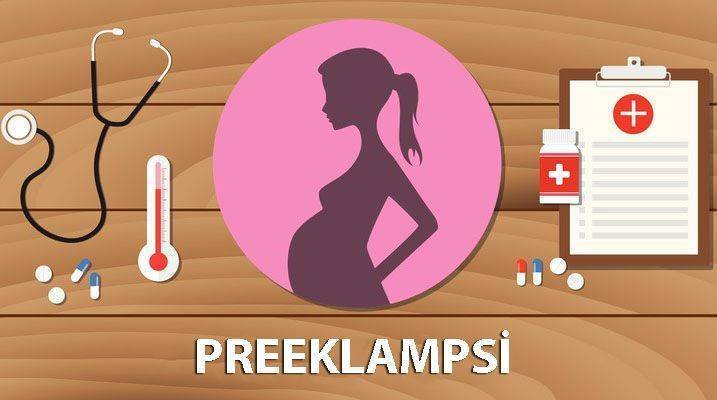
Preeclampsia is defined as a serious pregnancy complication that typically occurs after the 20th week of pregnancy, characterized by high blood pressure, protein in the urine, and potential damage to multiple organs including the liver, kidneys, and brain. It is known to affect 2–5% of pregnancies worldwide and is associated with preterm birth, placental insufficiency, and long-term cardiovascular risk for both mother and baby. The primary question in modern obstetrics is whether preeclampsia can be predicted and prevented before development; this is answered affirmatively through correct screening.
What Causes Preeclampsia?
It is accepted that preeclampsia does not have a single cause. Within current scientific frameworks, the disease is described as a multi-factorial process associated with placental vascular development disorders, endothelial dysfunction, angiogenic imbalance, inflammation, and oxidative stress. It is emphasized that biological signals must be identified beyond simple blood pressure monitoring.
Who is at Risk for Preeclampsia?
The first step of screening is stated to be the identification of risk factors. First pregnancy, age over 40, obesity, chronic hypertension, diabetes, and a history of preeclampsia are considered primary risks. However, it is noted that more than 60% of early-onset preeclampsia cases can be missed using these factors alone, which is why modern approaches suggest combining these factors with advanced screening methods.
Is Early Diagnosis of Preeclampsia Possible?
Yes, it is known that powerful early diagnosis tools are utilized for preeclampsia today. These tools primarily include Uterine Artery Doppler ultrasound, the sFlt-1 / PlGF ratio (blood test), and combined screening models (FMF, FIGO).
What is Uterine Artery Doppler? What Does it Show?
This method is described as a completely non-invasive ultrasound that measures blood flow to the placenta. In normal pregnancies, vessels are expected to have low resistance; however, in preeclampsia, it is observed that these vessels cannot expand sufficiently, leading to increased vascular resistance and findings such as high PI/RI values and “notching” in Doppler examinations.
When is it Performed?
It is stated that 75% of preterm preeclampsia cases can be detected through evaluations of Uterine artery PI and mean arterial pressure (MAP) performed between weeks 11 and 13+6. High resistance values detected between weeks 18 and 24 are reported to predict early-onset preeclampsia with 96% sensitivity.
What is the sFlt-1 / PlGF Ratio?
This test is accepted as the biochemical signature of preeclampsia. It is known that decreased levels of PlGF and increased levels of sFlt-1 indicate an elevated risk of preeclampsia. It is emphasized that this test reduces unnecessary hospitalizations, especially in suspected cases.
The Strongest Approach: Combined Screening
It is stated that a single test is not sufficient and the highest accuracy is obtained when maternal risk factors, mean arterial pressure, Doppler, and biochemical data are evaluated together. By using the Fetal Medicine Foundation (FMF) model, it is reported that 90% of preterm preeclampsia cases can be identified early.
Is it Possible to Prevent Preeclampsia?
It is stated that the use of low-dose aspirin started between weeks 11 and 14 in pregnant women identified as high-risk can reduce the risk of preeclampsia by up to 60%. Additionally, the importance of calcium support, balanced nutrition, and close fetal growth monitoring is highlighted.
Is There a Treatment for Preeclampsia?
It is known that the definitive treatment is delivery. However, it is emphasized that through early diagnosis, the disease can be controlled before progressing, ensuring the safety of mother and baby while preventing unnecessary preterm births. In this context, early screening is considered the treatment itself.
Conclusion: Preeclampsia is Not Fate
Today, preeclampsia is accepted as a complication that can be predicted in advance, prevented with early intervention, and managed with information. Individuals with risk factors or those planning a pregnancy are advised to discuss preeclampsia screening with their physicians.