
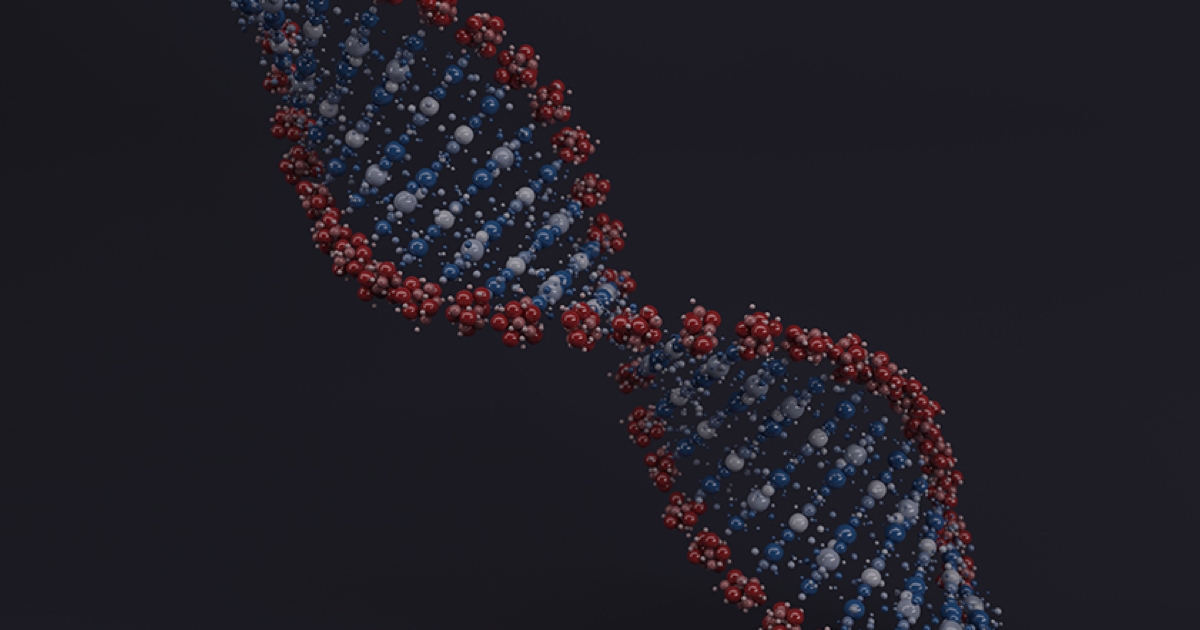
Genetic Screening and Prenatal Diagnosis in Single Gene Disorders
In modern medicine and the field of perinatology (maternal-fetal medicine), evaluating the genetic health of a baby while still in the womb is one of the most critical areas of focus. In this context, genetic screening and prenatal (pre-birth) diagnostic methods play a vital role in determining whether hereditary risks known to exist in a family have been passed on to the baby.
Diseases caused directly by mutations in the DNA sequence, rather than chromosomal abnormalities, are referred to as single gene disorders. To date, approximately 6,000 different single gene disorders have been identified (e.g., Thalassemia, Cystic Fibrosis, Spinal Muscular Atrophy (SMA), Phenylketonuria, etc.). The vast majority of these conditions do not present with any structural anomalies or physical signs on routine pregnancy ultrasounds. Therefore, except for rare exceptions, it is not possible to diagnose single gene disorders through ultrasound monitoring alone.
Prenatal Diagnostic Methods for Single Gene Disorders
In pregnancies where a specific single gene disorder or carrier status has been identified in the family history or in previous children, molecular diagnostic methods that directly examine the baby’s genetic structure are utilized. To provide a definitive prenatal diagnosis, two main invasive (interventional) sampling methods are widely used today:
Chorionic Villus Sampling (CVS): This procedure involves taking a small tissue sample from the placenta (the baby’s partner), usually between the 11th and 14th weeks of pregnancy. Providing early results is a major advantage as it gives families more time for the decision-making process.
Amniocentesis (Amniotic Fluid Sampling): This is the process of taking a sample of the amniotic fluid surrounding the baby using a fine needle under ultrasound guidance, typically after the 16th week of pregnancy. This fluid contains live cells shed by the baby.
The fetal cells obtained are examined in a laboratory environment using advanced molecular genetic analysis methods (such as PCR, DNA sequencing, NGS, etc.). The specific gene mutation mapped out in the family is directly searched for in the baby’s DNA strand, and the presence of the disease is detected with an accuracy rate close to 100%.
The Importance of Early Diagnosis and Genetic Counseling
Although more than 6,000 single gene disorders have been defined, the group that can be fully diagnosed prenatally and screened with current panels consists of clinically prioritized and selected diseases. For this reason, the most crucial step throughout the process is to receive professional genetic counseling during the pre-pregnancy planning stage or at the very earliest stage of pregnancy.
Genetic screening tests and interventional prenatal diagnostic methods are among the strongest cornerstones of perinatology practice. They guide at-risk families toward having healthy children, eliminate uncertainties and anxieties during the pregnancy process, and optimize post-birth early intervention and treatment planning when necessary.